

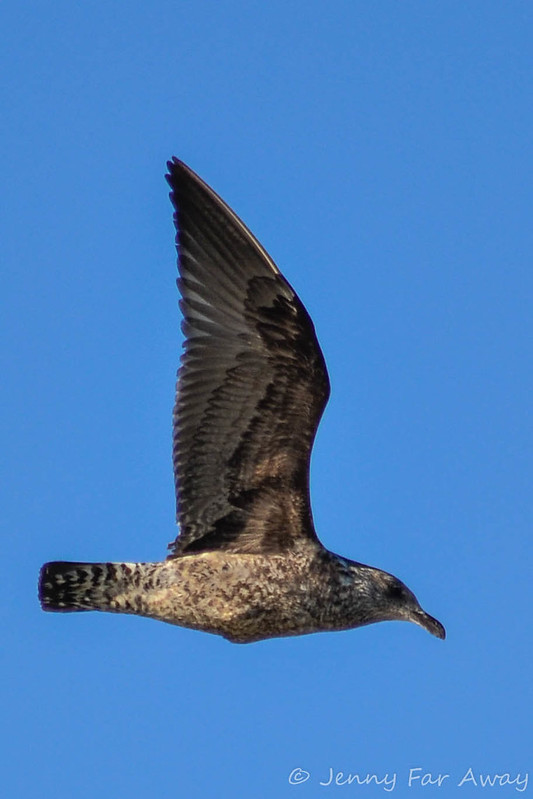
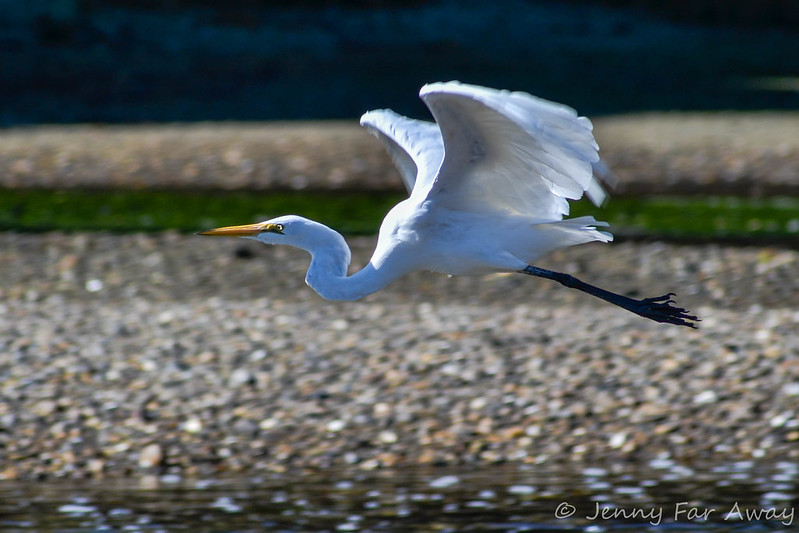
Snap. Snap. I take two steps closer, refocusing. Snap. Snap. Two more steps, breathing carefully, keeping my eyes on the prize. Snap. Snap. Three steps this time. Refocus. Snap. Snap. Two more steps, and it’s all over. The bird suddenly decides I’m too close and takes off, soaring high over Ulva Island as I frantically pan the camera, trying to find it, focus on it, and snap that elusive and oh-so difficult bird-in-flight photo.
I’ve never been that interested in birds. If I see a pretty one of course I’ll look at it, but they’ve never really caught my attention that much and I’ve definitely never been one to spend hours looking for rare birds or checking them off a list.

But all that has changed. I don’t know if it’s the lack of other wildlife in New Zealand (the ONLY native land mammals are a couple of small bats) or the fact that so many of the birds here are so unusual looking and pretty, but now I’m constantly looking for birds. How did this happen?
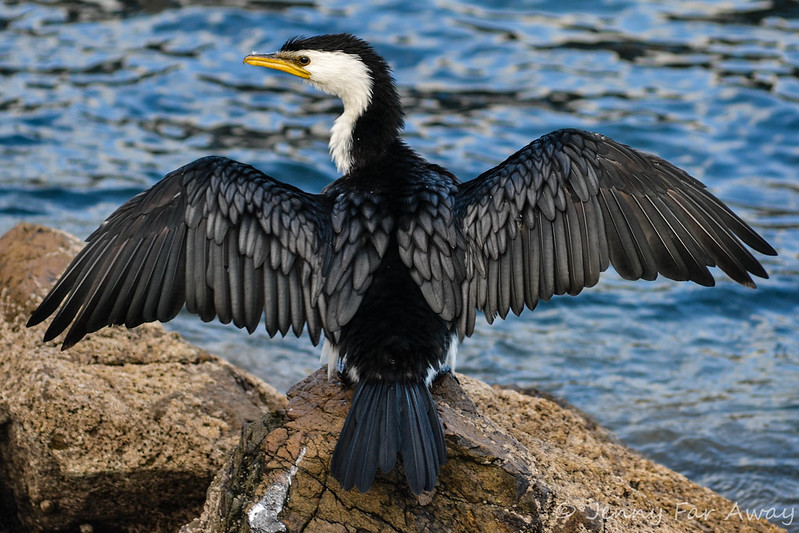
Once upon a time New Zealand had a plethora of birds. Having separated from Gondwanaland 65 million years ago, its isolation means that a large number of birds here are endemic (not found anywhere else). There were no mammals, and so the birds evolved in unique ways to fill every ecological niche. Many bird species here lost their wings, and thus live their entire lives on the ground.

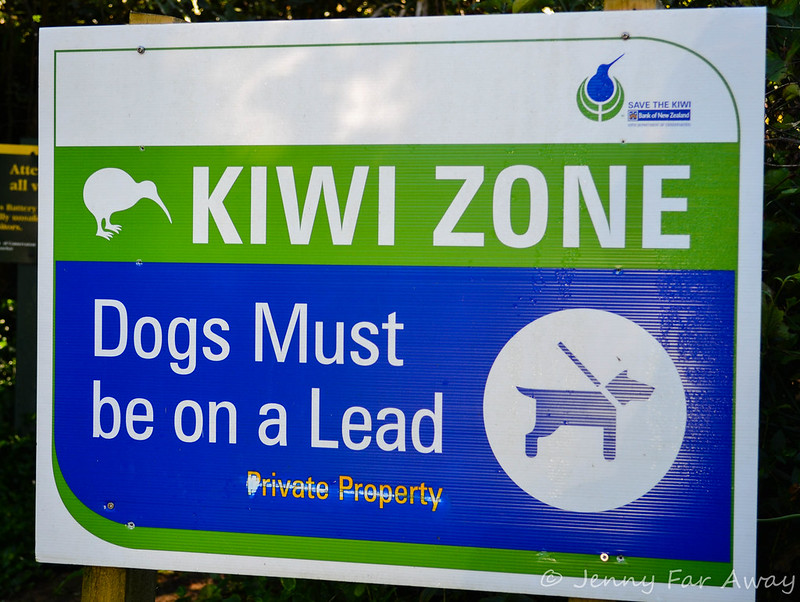
But all this changed when humans came. With the arrival of the Maoris and then later the Europeans, rodents such as rats, stoats, cats, dogs, and possums were introduced. These animals must have thought they were in heaven, with not only an abundance of available food that nests on the ground, but also no natural predators!
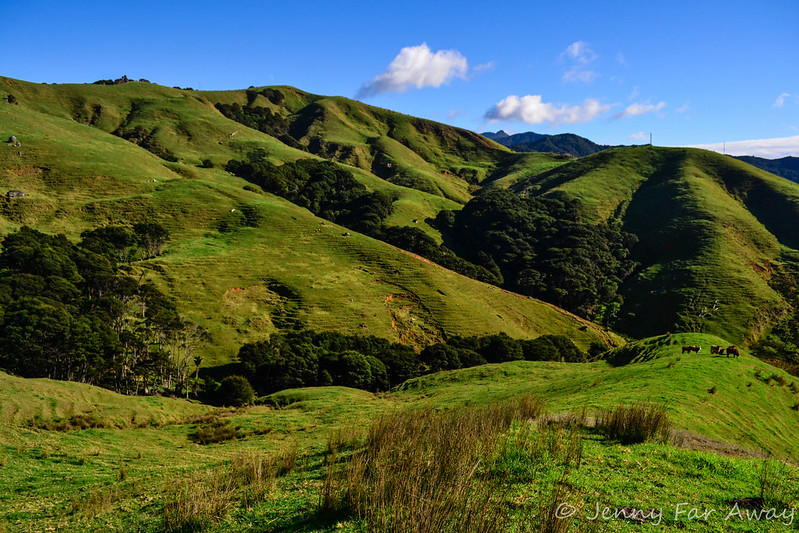
Habitats were destroyed with the Europeans tramping all over the place, clearing huge swathes of forests to make pasture for their sheep.
Birds such as the moa were overhunted to the point of extinction by the Maori, and in a cruel chain reaction also then likely causing the loss of a species that relied on the moa for food, the Haast’s Eagle.
Other birds were killed to be stuffed and made into prized specimens for museums and rich collectors. The huia, in particular, was hunted for its feathers to be made into hat decorations.
Eventually people started to realize that this was a problem, and that if nothing was done all the birds would soon be gone. Bit by bit, conservation efforts were established, and now pest eradication is a key element of native bird preservation.

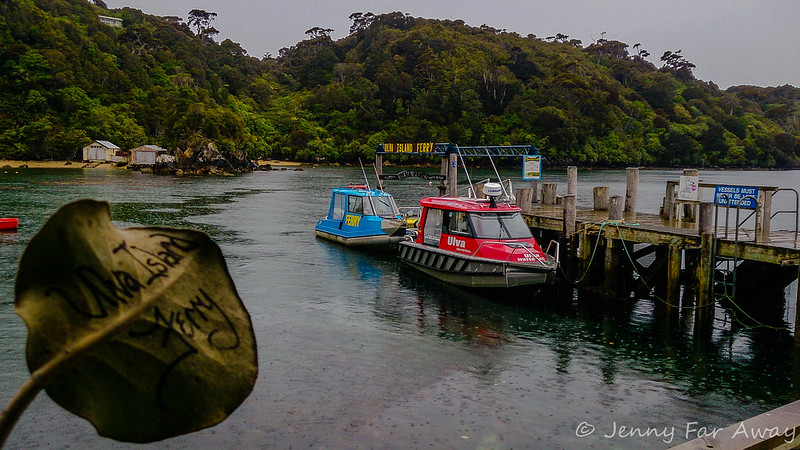
Waaaaaay down at the Southern Tip of New Zealand lies Stewart Island. It’s a wild, isolated place, consisting mostly of Rakiura National Park and just one small town, Oban.
Off the coast of Stewart Island is another, smaller one, Ulva Island, where all introduced pests have been eradicated and the bird life is flourishing.

For just $20, you can take a ferry ride to Ulva Island and get picked up again a few hours later. There’s nothing there besides a small private property and a few walking tracks through beautiful forest, making it an incredibly peaceful place to spend some time.
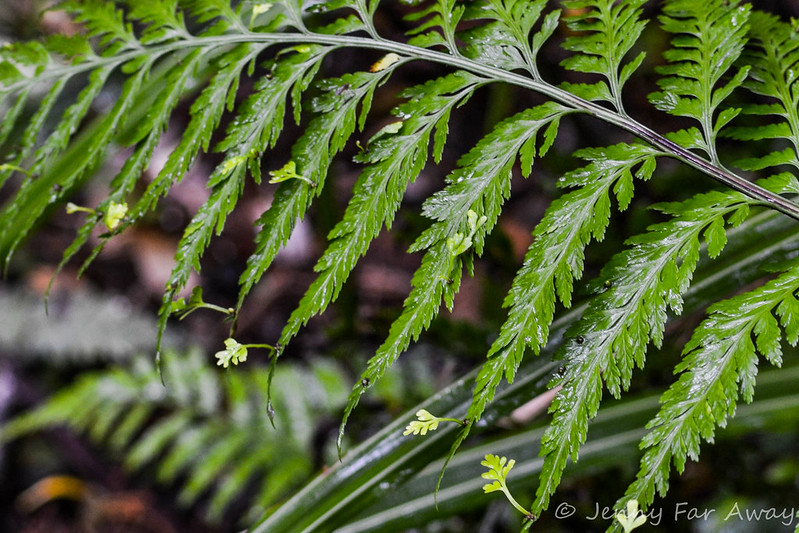
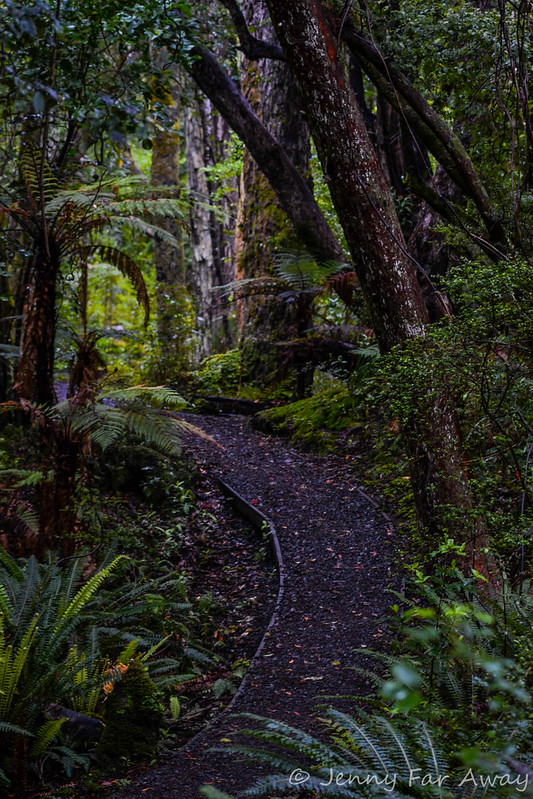
Ulva Island has never been logged, so the forest is as pristine as it gets. You can see weird plants like the hen and chicken fern.
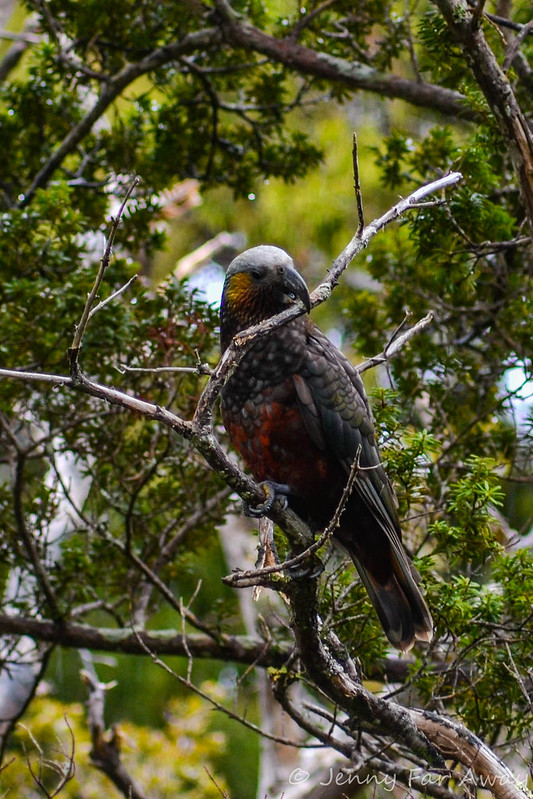
And the birds! If you walk slowly and quietly through the forest, you’ll find that birds appear all over the place. Kākā (parrot) will fly through the trees above your heads, perching on a nearby branch for you to watch. Weka walk all over the path, pecking at anything that looks interesting.
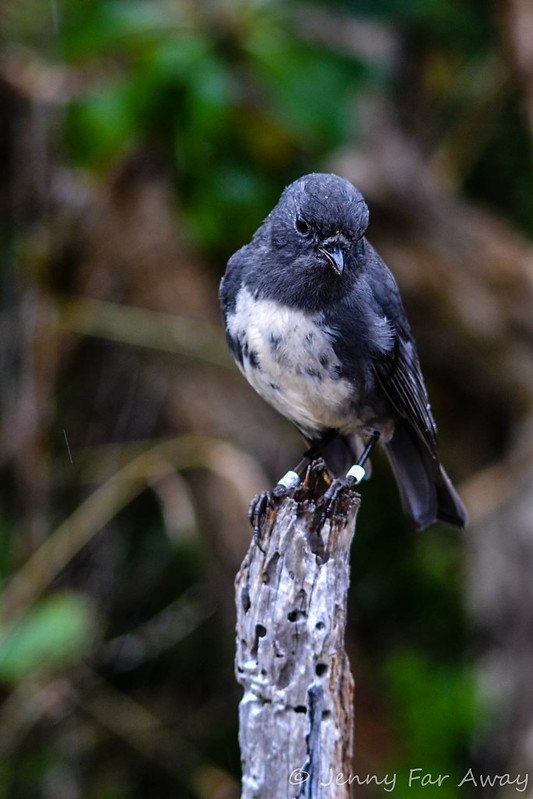
There are benches in the forest on Ulva Island, so you can just sit and wait for the birds to come out to you. Robins will come settle on the path near you, waiting to snatch up any insects you might stir up with your feet. If you’re really, really lucky, a kākāriki (red-crowned parakeet) might quietly appear in a nearby tree.
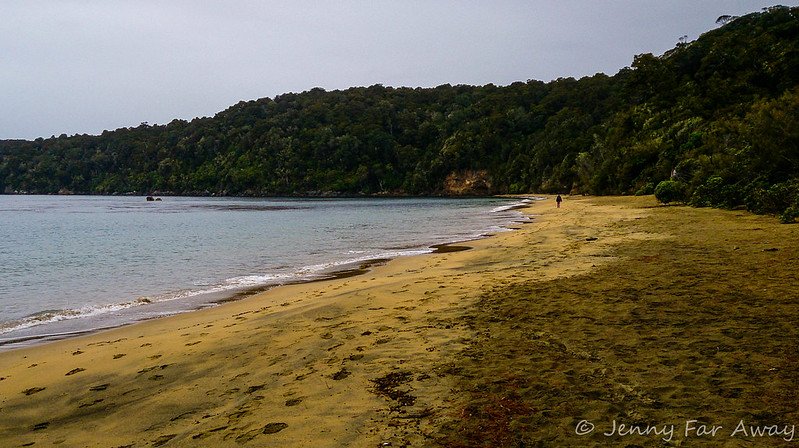
The path network goes to a couple of beaches, and I found that these were some of the best places to see the birds, where they’re a little more out in the open and there are sea birds as well.
Apparently there are also populations of kiwi, saddleback, and yellowhead on Ulva Island, although I never saw any of these.
I could have spent forever here, watching and listening and waiting. Given enough time I probably would have gone back, taken a lunch and spent the entire day here, walking through the native bush and seeing what I could see.
So there you have it. It seems I’m a birdwatcher now. As soon as I can hear a bird I stop and try to find it amongst the trees, and I go out of my way to visit estuaries and other bird-rich areas. I make extensive use of New Zealand Birds Online to identify any birds I’m not familiar with.
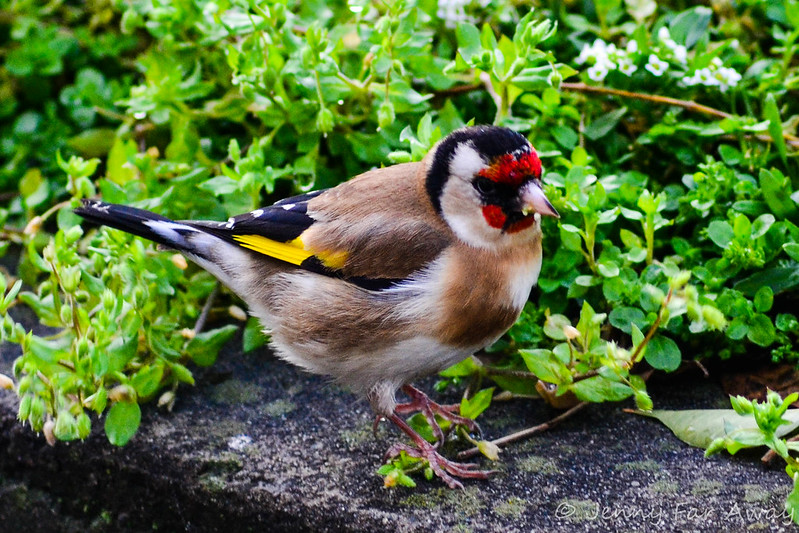
Many times I’ve been known to pull over on the side of the road or pull a u-turn to stop and look at a bird. When it’s not too dark out and I’m close enough and I think I can get my camera out, put the right lens on, and get a picture of a bird before it flies away, I do. I have more photos of oystercatchers and white-faced herons than I even want to know about.

I don’t think I’ve seen any particularly rare birds here, with the exception of what was possibly a white heron, which is listed as nationally critical. Upon doing a little research, it’s also possible that it was a plumed egret, which looks very, very similar, but even that doesn’t seem to be all that common in New Zealand.
Will this continue when I leave New Zealand? I’m not sure, but I think it probably will to an extent. Perhaps the re-introduction of other wildlife to my life will make me take less of an interest in the birds, but actually I kind of doubt it. I’m too far into it now!
Are you a birdwatcher? What’s an activity that you unexpectedly got into while you were traveling?



Jenny, your bird pictures are absolutely stunning! I loved looking at them. I’ve tried to get pictures of birds in flight, and end up with a fuzzy blob in the distance. This is a blog I will enjoy again and again. Thanks for posting it!
Thanks Mom! I’ve got more great bird pictures, coming soon. Birds in flight are incredibly hard, but it’s something I’m going to be practicing a lot from now on!