
‘There, there!’ the guide said, pointing, ‘come quick!’
I looked up from my camera and rushed over to him as quietly as I could. I looked where he was pointing, and there it was, right in front of me, finally.
The tocororo.
Cuba’s national bird sat on a high branch, singing away in response to the bird calls coming from my guide’s phone, her red belly just about bursting with the effort and blue-green back shining in the sunlight.
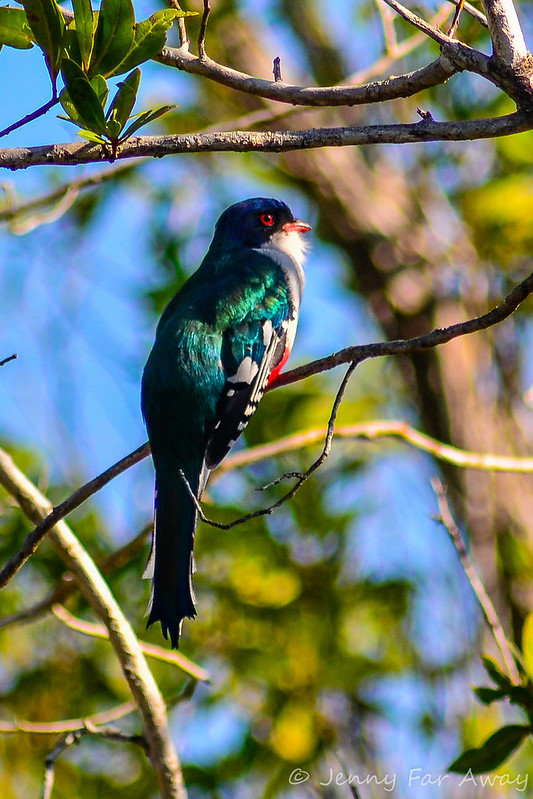
That was it. After five weeks, on my second-to-last day in Cuba I’d finally seen the elusive tocororo. My trip was complete. I could leave now.
It was a fitting end to my time in Cuba, which had been filled with ups and downs almost like no other place I’ve ever been. There were times when I found myself walking around with a huge silly grin on my face, and others when I was plunged into the foulest of foul moods, and everything in between.
And my trip was actually by no means complete. I hadn’t visited a cigar factory or a rum distillery or one of those perfect powdery white-sand beaches with the crystal clear blue water like you see in the photos. I hadn’t been diving or snorkeling. I hadn’t seen Che Guevara’s mausoleum or Vinales’ limestone peaks. I hadn’t even smoked a cigar.

And yet I was done. In fact it had happened about a week before that, when on exactly the four-week mark of me being in the country it hit me that I was finished here. I had nothing more I really needed to do in Cuba. I felt like I’d had an adequate taste of it, it had thoroughly exhausted me, and if I left that day I would be entirely satisfied.
Except for the tocororo.
I’d been to nature reserves and on hikes in the mountains, been to parks and on boat rides and had spoken to others who’d done the same. Everyone had seen the tocororo. Some had photos. I had somehow missed out, and for the bird nerd in me this was simply not ok.

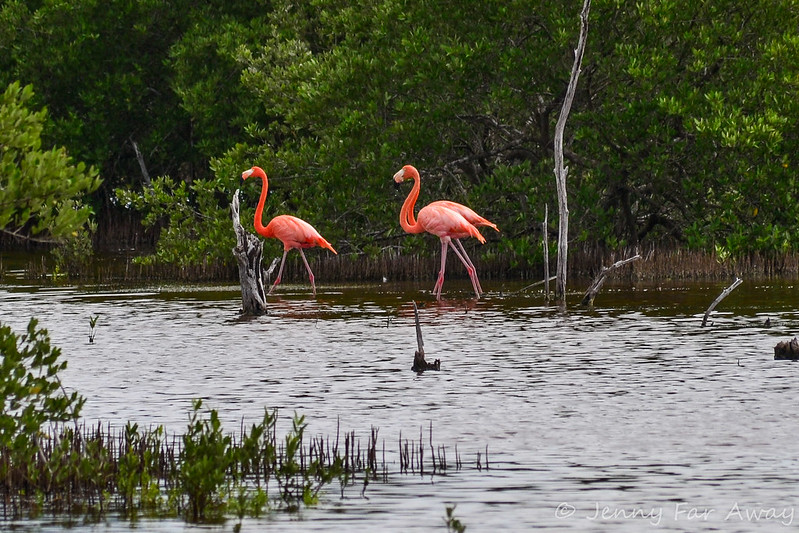
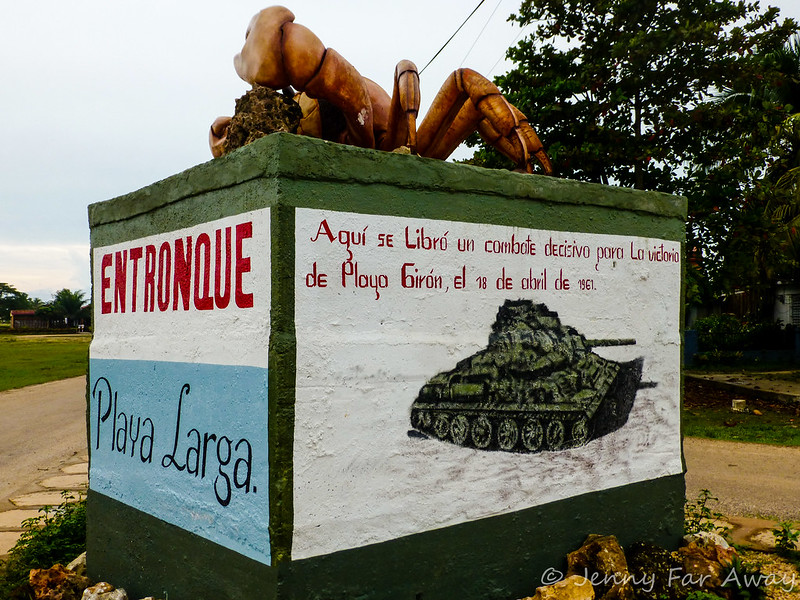
When my friends and I arrived in Playa Larga and wanted to go on a birdwatching trip in Gran Parque Natural Montemar on the Cienaga de Zapata, we found that we had two choices. We could take the longer trip to the Laguna de las Salinas, where at this time of year there are often flocks of thousands of flamingoes along with other wading birds. Or we could take the shorter and muddier forest walk, where we would see an entirely different ecosystem and thus a completely different set of birds, including the tocororo.
My friends, of course, had seen the tocororo already and were excited about the prospect of huge flocks of flamingoes. I had seen flamingoes before, but not thousands, and the cost of doing the forest walk by myself was simply too much after five weeks in Cuba. So despite the ranger’s warnings that I was not likely to see a tocororo in the marine environment, I chose to accompany my friends.
And anyway, if I hadn’t seen a tocororo by now when everyone else had, it kind of seemed like it was just not meant to be for me.
But if you don’t ask you don’t get, so as soon as we got in the jeep I told our guide that although I knew it wasn’t likely, I’d really appreciate it if he could find me a tocororo. He said he’d see what he could do.

Two stops and wanders into the forest later there was no tocororo. The guide led us slowly, phone in hand playing tocororo songs to attract the little guy. We’d stop, look, listen, and there would be nothing but the wind in the trees, the buzzing of mosquitoes in our ears and maybe the random twitter of another invisible bird.
The third stop was our final chance to see the elusive national bird. The guide was not looking very hopeful, the driver was looking at us like we were crazy for even trying to find a tocororo here, and the other couple with us seemed to not really know what we were even looking for.
Then the guide stopped, and pointed. We gathered around in excitement. Tocororo?
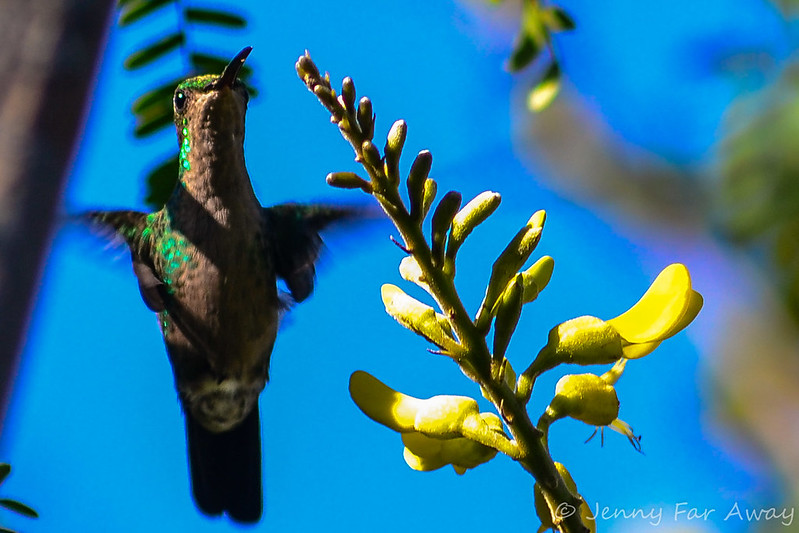
Not so lucky. But there was a tiny emerald hummingbird, bright green back flashing as it darted from one flower to the next, wings almost invisible in their rapid buzzing.
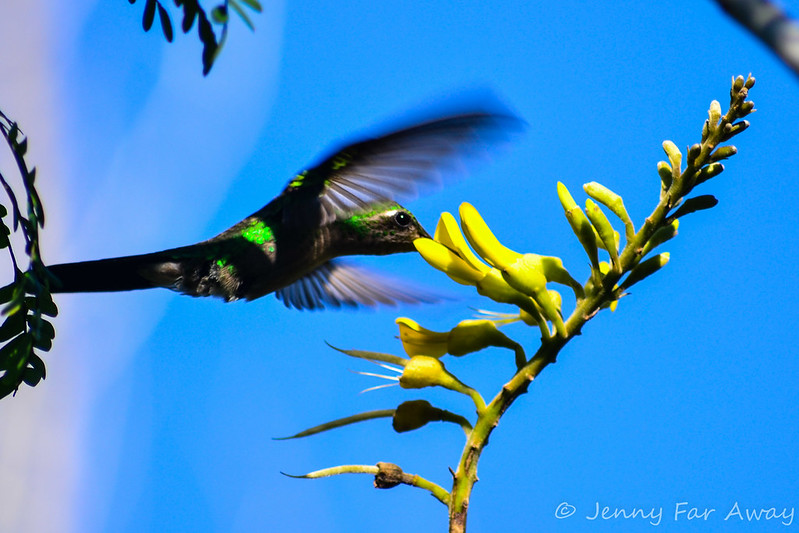
As the hummingbird flew out of sight, the guide wandered down the road a little more. And that’s when the magic happened. His phone’s artificial bird calls worked, and the female tocororo answered, perching herself on a branch near the road.

She flew around a bit, giving us a good view of all sides of her, and I couldn’t tear my eyes away. Sure, there are lots of other birds to spot in Cuba, but the tocororo was the one I needed to see.
As we wandered back to the jeep, the guide said that we were very lucky to see the hummingbird and the tocororo in the same place, that this had never happened to him before. Even he couldn’t wipe the grin from his face.
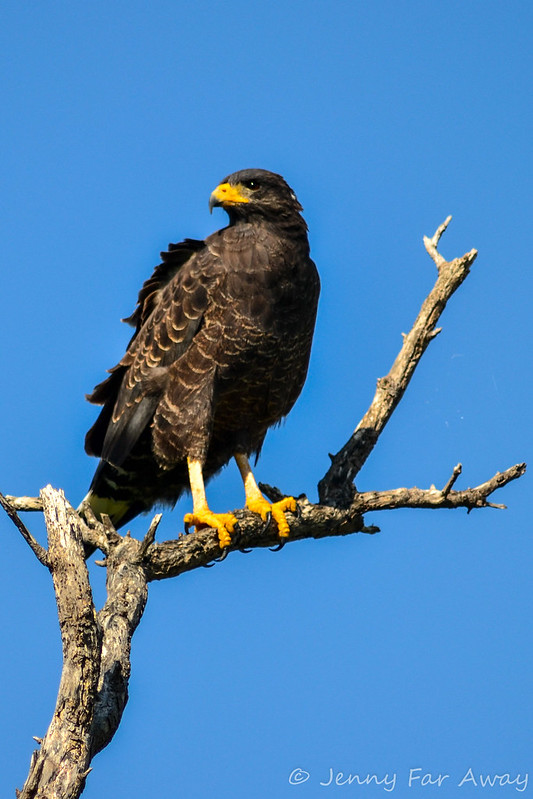
And the rest of Laguna de las Salinas? Well, the thousands of flamingoes was actually about 30, and we saw a few other water birds as well as a common black hawk, which let us get quite close and was great to see.
But for me the tocororo was definitely the highlight, and a sign that I really, truly, was ready to leave Cuba.
Over the next few weeks I’ll be posting a lot about my time in Cuba – telling you everything you need to know about visiting this fascinating tropical island. Keep watching!